Estonia to Close All Border Crossings With Russia on 1 December After Foiled Drone Factory Attack

Estonia will close every border crossing with Russia from 1 December 2026, after security services stopped what officials describe as a Russian-ordered arson attack on a drone manufacturer near Tallinn. Foreign Minister Margus Tsahkna announced the decision on Sunday 15 November, calling it a direct response to a sabotage attempt against the country’s defence industry.
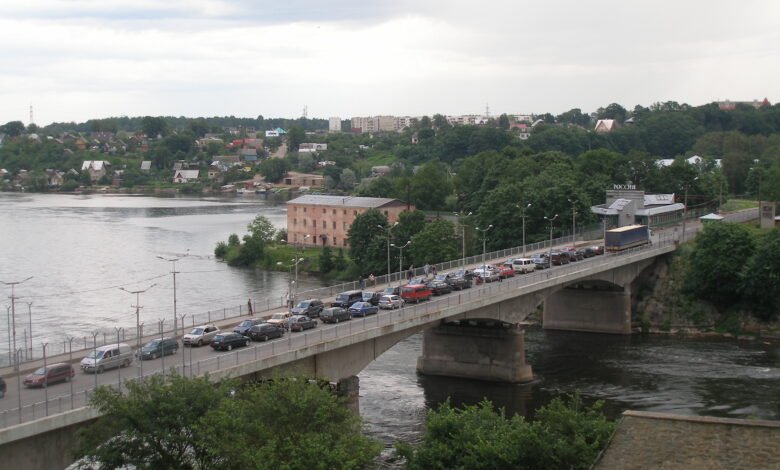
The move shuts the three crossings still open on the 294-kilometre frontier — Narva in the north, and Koidula and Luhamaa in the south — with no end date announced. It is one of the sharpest steps a NATO member on Russia’s border has taken since the full-scale invasion of Ukraine, and it lands amid a wider European debate over how to answer a campaign of sabotage that Western governments say Moscow is waging below the threshold of open war.
Estonia–Russia Border Closure — Quick Reference Summary
| Detail | Confirmed position |
| Announcement date | Sunday 15 November 2026 |
| Closure takes effect | 1 December 2026 |
| Crossings affected | Narva, Koidula and Luhamaa — all three open crossings |
| Duration | Not specified; no end date given |
| Trigger | Foiled arson attempt on drone maker Threod Systems, Viimsi, near Tallinn, on Saturday 14 November 2026 |
| People detained | Eight, including Latvian citizens and non-citizens |
| Alleged ordering body | Russia’s GRU military intelligence, according to Estonian authorities |
| Company targeted | Threod Systems, maker of reconnaissance and long-range attack drones |
The foiled attack on Threod Systems
The attempt took place in the early hours of Saturday 14 November at the plant of Threod Systems in Viimsi, just north of Tallinn. The company manufactures reconnaissance and long-range attack drones and supplies Ukraine, among other customers. Estonia’s Internal Security Service, known as Kapo, said on Sunday that the attack was carried out with the aim of causing an explosion and setting the building on fire.
Eight people were detained during the attempted attack. Latvia’s Interior Minister Janis Dombrava said on X that several “Latvian citizens and non-citizens” were among those arrested, and thanked Estonia’s Internal Security Service. The detainees live in Latvia, according to reporting of the Estonian chief prosecutor’s statements.
Estonian authorities said the attack was ordered by Russia’s GRU military intelligence service. Tsahkna wrote on X that there was “clear evidence” the GRU ordered the sabotage against an Estonian defence industry company. The company’s in-house security staff stopped the attempt, and the incident caused only minor damage and injured no one.
Why Tallinn is shutting the border
Prime Minister Kristen Michal said the border closure was needed to reduce the risk of further attacks and to send a clear message that attacks on Estonia’s defence industry and defence capabilities were unacceptable. Tsahkna added that closing the crossings “will reduce Russia’s ability to conduct hostile activities in Estonia and strengthen our efforts to prevent sanctions circumvention.”
The decision also carries a trade and travel cost. Narva, Luhamaa and Koidula are the only remaining road and rail routes between the two countries, used by freight operators, commuters and families with ties on both sides of the frontier. The Narva–Ivangorod crossing is already limited to pedestrians, and the new measure ends the current arrangements at all three points from the start of December.
Moscow’s response and the wider “shadow war”
A Russian foreign ministry spokeswoman told the state news agency TASS that the plans were “yet another bout of aggressive and unrestrained Russophobia.” Moscow has not confirmed the GRU allegation, and the underlying evidence cited by Tallinn has not been made public.
Marko Mihkelson, chairman of the Estonian Parliament’s Foreign Affairs Committee, told Al Jazeera that the arrests showed Estonia was “prepared to respond swiftly to such attacks.” He added: “It is essential that Russia’s state-sponsored campaign of terror does not remain merely a matter of diplomatic protests, either in Estonia or among our allies elsewhere.”
Mihkelson framed the closure as part of a broader contest, saying Russia was waging a “shadow war” to divide Europe and undermine support for Ukraine, and that “European countries must respond with asymmetric measures of their own. Closing borders with Russia is one such measure.”
Support for Ukraine remains a visible theme in Britain, as shown by Prince Harry’s surprise visit to wounded veterans in Ukraine.
The incident is not the first to hit Estonia’s defence sector. In August, a fire affected a Tallinn facility of Milrem Robotics, which makes unmanned ground vehicles used in Ukraine. The Kremlin rejected Estonia’s accusation over that fire as unfounded, according to Infobae. The pattern, as Tallinn presents it, is one of repeated pressure on the companies that arm Ukraine — and the border closure is its answer.
What happens next
With no end date set, the closure’s length will depend on how Tallinn judges the threat in the coming weeks. The three crossings will remain shut from 1 December until the government says otherwise, and the eight detainees face investigation by Estonia’s security and prosecution services. For the Baltic states, the episode sharpens a question that has run through the region since 2022: how far to go, short of military action, when a neighbour is accused of attacking from the shadows.
Frequently Asked Questions
When does Estonia close its border crossings with Russia?
All Estonian-Russian border crossing points close from 1 December 2026, Foreign Minister Margus Tsahkna announced on Sunday 15 November.
Which crossings are affected?
All three currently open crossings: Narva in the north, and Koidula and Luhamaa in the south.
Why is Estonia closing the border?
Tallinn says the move follows a foiled arson attack on drone maker Threod Systems on 14 November, which Estonian authorities say was ordered by Russia’s GRU military intelligence service.
How long will the closure last?
No end date has been given. Tsahkna did not specify how long the closure would remain in effect.
Who was arrested over the attack on Threod Systems?
Eight people were detained, including Latvian citizens and non-citizens who live in Latvia, according to Estonian authorities and Latvia’s interior minister.
Was anyone hurt in the attempted attack?
No. The attempt was stopped by the company’s in-house security staff, caused only minor damage and injured no one.