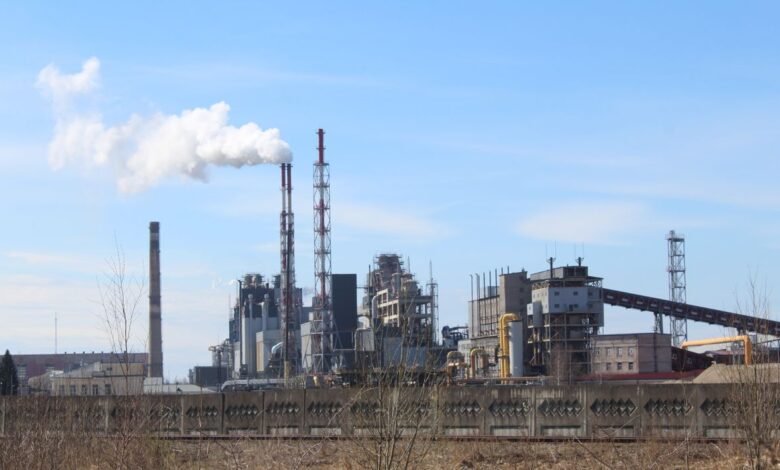
A gas leak at Rolls-Royce’s Raynesway site in Derby brought a major emergency response to the city on Thursday 12 November 2026, with a 300-metre cordon thrown around the factory and nearby residents told to stay indoors. Derbyshire Fire and Rescue Service was called to the site at about 15:40 GMT after alarms sounded inside the factory, and police, fire crews and ambulances all attended. The incident was resolved the same evening, and the following day Rolls-Royce said the leak had started after a routine bottle replacement.
The Raynesway site is one of the most sensitive industrial locations in Britain. It designs, manufactures and supports the nuclear reactors and nuclear steam-raising plants that power every submarine in the Royal Navy, which is why the first question asked about the leak was whether it was a nuclear incident. Police and the fire service stressed from the outset that it was not, and the company said the leak was confined to the main production area and involved a product used in the manufacturing process.
Rolls-Royce Derby Gas Leak — Quick Reference Summary
| Detail | Information |
|---|---|
| Date and time | Thursday 12 November 2026, about 15:40 GMT |
| Location | Rolls-Royce site, Raynesway, Derby (Alvaston area) |
| Incident | Small chemical and gas leak inside the factory; alarms sounded |
| Emergency response | Derbyshire Fire and Rescue Service, Derbyshire Constabulary, ambulance crews |
| Cordon | 300 metres around the site; roads closed |
| Public advice | Nearby residents told to stay indoors with windows and doors shut |
| Casualties | None reported; all employees accounted for |
| Nuclear risk | None — police and fire service confirmed it was not a nuclear incident |
| Cordon lifted | About 21:45 on 12 November 2026 |
| Cause | Routine bottle replacement, according to Rolls-Royce (13 November 2026) |
| Exact product leaked | Not disclosed by Rolls-Royce |
How the Raynesway Emergency Unfolded on Thursday Afternoon
The first call came at about 15:40 GMT on Thursday 12 November, when Derbyshire Fire and Rescue Service was sent to the Rolls-Royce site on Raynesway after alarms were heard inside the factory. Derbyshire Constabulary said a small chemical and gas leak had occurred, and a spokesman for Rolls-Royce described it as a suspected gas leak of a product used in the manufacturing process, confined to the main production area.
Emergency services moved quickly. A 300-metre cordon was established around the site, and roads were closed, including Royal Scot Way, Pride Park Way from Derby Audi to the London Road roundabout, Harrow Street, and London Road from the junction of Harrow Street to Meadow Lane. Residents living nearby were advised to remain indoors with their windows and doors shut until the risk had reduced, and staff on site were asked to stay inside a nearby building as a precaution.
By the evening, the picture had improved. Derbyshire Fire and Rescue Service confirmed that all employees on site were accounted for, and shortly before 22:00 the shelter-indoors advice was lifted and roads began reopening. Derbyshire Constabulary lifted the cordon and the road closures at about 21:45, and the incident was handed over to Rolls-Royce for follow-up and investigation.
Why the First Question Was Whether It Was a Nuclear Incident
The Raynesway site belongs to Rolls-Royce Submarines, part of the engineering group Rolls-Royce plc, which also makes aircraft engines. The site designs and builds the pressurised water reactors that power every Royal Navy submarine, and it supports those reactors for their whole working life. Inside the wider factory there are two separate nuclear-licensed sites, the Nuclear Fuel Production Plant and the Neptune Reactor, regulated by the Office for Nuclear Regulation, which has set an emergency planning area of 500 metres around the fuel plant.
That background explains the scale of the response. When alarms sound at a site of this kind, the procedure is a full multi-agency turnout, and the emergency services turned out in force because that is the procedure when the alarms go off. It also explains why the authorities were quick to stress that the leak was not a nuclear incident. Thursday’s leak involved a product used in manufacturing, not nuclear material, and none of the site’s radiation emergency planning was triggered.
A Routine Bottle Change, and What Is Still Not Known
On Friday 13 November, Rolls-Royce gave the first account of what had caused the leak. The company said monitoring alarms had identified a gas leak after a routine bottle replacement on Thursday, and that monitoring was conducted on and off site before management of the incident was passed back to the company. Rolls-Royce said all measures put in place were a precaution while the incident was thoroughly investigated, and reiterated that it was not a nuclear incident.
Two questions remain unanswered. Rolls-Royce has not named the product or gas that leaked, or said exactly where in the main production area the leak happened. Nor had any regulator announced an investigation by Thursday night. For residents of Alvaston and Pride Park, the practical outcome is clearer: the cordon is gone, the roads are open, and the incident is now a matter for Rolls-Royce to follow up internally.
Frequently Asked Questions
Q: What happened at Rolls-Royce in Derby? A: A small chemical and gas leak occurred at the Rolls-Royce site on Raynesway, Derby, at about 15:40 GMT on Thursday 12 November 2026, setting off alarms and prompting a multi-agency emergency response.
Q: Was the Rolls-Royce Derby gas leak a nuclear incident? A: No. Police and Derbyshire Fire and Rescue Service stressed that it was not a nuclear incident. The leak was confined to the main production area and involved a product used in manufacturing, not nuclear material.
Q: What caused the gas leak? A: Rolls-Royce said on 13 November 2026 that the leak started after a routine bottle replacement, and that monitoring alarms identified it. The exact product that leaked has not been disclosed.
Q: Which roads were closed in Derby? A: Royal Scot Way, Pride Park Way from Derby Audi to the London Road roundabout, Harrow Street, and London Road from the junction of Harrow Street to Meadow Lane. The closures were lifted at about 21:45 on 12 November.
Q: Were any people hurt? A: No injuries were reported. All Rolls-Royce employees on site were accounted for, and nearby residents were advised to stay indoors as a precaution until the advice was lifted.
Q: What does the Raynesway site do? A: The site is home to Rolls-Royce Submarines, which designs and builds the reactors that power every Royal Navy submarine and supports them throughout their working lives.