
Mastering the Endgame Grid: The Strategy Behind Winning the Final Moves
The final stage of a grid-based game is rarely about speed—it is about seeing which move leaves the fewest good options for your opponent.

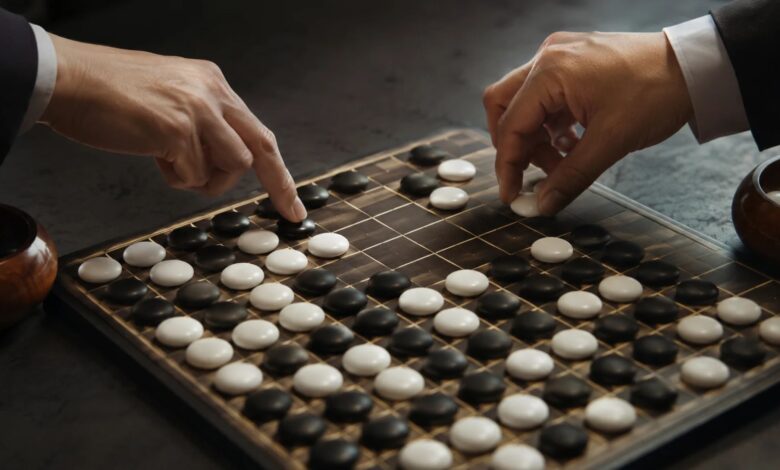
Mastering the Endgame Grid is a strategy framework for solving late-game grid positions: preserve flexible spaces, calculate forced sequences, control parity, and prioritise the move that leaves the opponent the fewest productive options. It applies across puzzles and strategy games.
The phrase “Mastering the Endgame Grid” does not appear to identify a single established game, person, product or formal strategy system in authoritative sources. It is better understood as a useful description of late-game grid strategy.
That distinction matters because different grid games use very different win conditions. Dots and Boxes relies heavily on chains and forced captures, while chess endgames depend on king activity, pawn promotion and precise positional calculation.
The Grid Changes Character When Space Runs Out
Early moves usually create possibilities. Endgame moves remove them.
In grid-capture games such as Dots and Boxes, the decisive phase emerges when safe moves disappear and players must calculate chains, sacrifices and capture sequences. A single move can determine who controls the remaining scoring opportunities.
The practical rule is simple: do not evaluate the move only by what it gains immediately. Evaluate what it forces next.
The Four Endgame Variables That Matter Most
| Variable | What to Watch |
|---|---|
| Space | Keep flexible cells or lines available |
| Tempo | Avoid giving the opponent a useful move |
| Parity | Count remaining sequences and responses |
| Forcing lines | Calculate moves that sharply restrict replies |
In Dots and Boxes, players commonly avoid creating a three-sided box prematurely because it can hand the opponent a capture. Once chains develop, however, sacrificing a smaller sequence can sometimes preserve control of a larger one.
Chess offers a different version of the same principle. Corresponding-square techniques can restrict an opposing king’s route by matching available responses across the board.
Why Counting Beats Guessing
The strongest endgame decisions often become numerical.
Instead of asking, “Which move looks strongest?”, count the remaining scoring units, legal responses, connected sequences or promotion routes. In Dots and Boxes, chain length can determine whether opening one region gives the opponent a profitable run of captures.
The same discipline applies to other grid games: identify what is forced, what is flexible and what becomes impossible after each move.
The Endgame Test
Before committing to a move, ask:
- What does this move force?
- What is my opponent’s strongest reply?
- How many useful moves remain afterward?
- Does the move preserve control of the next sequence?
If the answer to the final question is unclear, calculate one move further.
From Puzzle Grid to Competitive Strategy
Grid-based endgames share a recurring principle: the board becomes more constrained as it fills.
That is obvious in logic games, where remaining cells have fewer legal possibilities. It is equally visible in territory and capture games, where local positions become increasingly decisive. Go, for example, shifts toward smaller, concrete territorial objectives during the endgame as large-scale fights give way to local plays.
This is why endgame skill is less about memorising one universal pattern and more about recognising changing constraints.
People Also Ask
What is the endgame grid?
An endgame grid is a late-stage grid position in which available moves have become limited and each decision can materially affect the result. The term is descriptive rather than the established name of one universally recognised game or formal method.
How do you improve at grid endgames?
Improving at grid endgames means practising calculation, counting remaining options and recognising forced sequences. In Dots and Boxes, chain counting and sacrifice decisions are central; in chess, king activity, pawn promotion and precise positional calculation become increasingly important.
Why is the endgame harder than the opening?
The endgame is harder because mistakes become more difficult to recover from. With fewer available spaces, pieces or safe moves, each decision carries greater weight. A move that appears harmless can create a forced sequence, surrender territory or remove the only remaining defensive resource.
Where the Final Move Really Begins
The best endgame players do not wait until the board is nearly full before calculating. They shape the final position several moves earlier, preserving options while quietly reducing the opponent’s.
Disclaimer: Strategy explanations are based on publicly available rules and established game principles. The phrase “Mastering the Endgame Grid” is not presented as the official name of a specific game or proprietary system, and game-specific applications can vary.