
Taurid Meteor Shower November 2026: When Fireballs Peak Over the UK and How to Watch Them

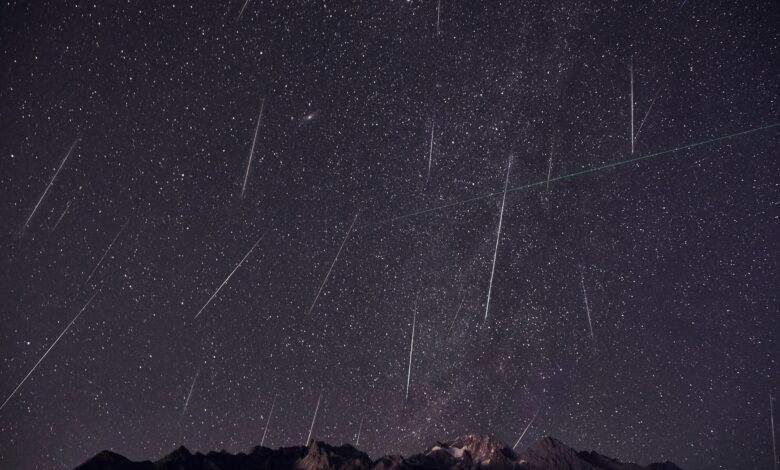
The Taurid meteor shower is active over the UK right now, and the best of it is still to come. The Northern Taurids reach their peak on the night of Wednesday 11 November into Thursday 12 November 2026, under a Moon only a few percent lit. Stargazers who find a dark sky after midnight could catch the slow, bright meteors the shower is known for, including the occasional fireball.
The shower arrives between two peaks. The Southern Taurids delivered their fireball-rich peak on the night of 4–5 November, and that branch stays active until 20 November. The Northern branch now takes over, and its peak falls on a night with almost no moonlight to spoil the view.
Taurid Meteor Shower — Quick Reference Summary
| Detail | Taurid meteor shower, November 2026 |
|---|---|
| Branch peaking next | Northern Taurids |
| Northern Taurid peak | Night of Wednesday 11 – Thursday 12 November 2026 |
| Southern Taurid fireball peak | Night of 4–5 November 2026 (already passed; branch active until 20 November) |
| Expected rate | Around 5 meteors an hour per branch under a dark sky |
| Best viewing time | After midnight, when Taurus is high |
| Moon | Only a few percent lit on the Northern peak night, setting early |
| Next shower | Leonids, peaking on the night of 17–18 November 2026 |
Two Branches, One Comet, and a Reputation for Fireballs
The Taurids arrive in two streams, and both trace back to debris shed by Comet 2P/Encke, which circles the Sun once every 3.3 years. Astronomers also link the Northern branch to the asteroid 2004 TG10, a body that may itself be a fragment of the same comet. The Southern branch runs from September to 20 November, while the Northern branch runs from 20 October to 10 December.
What the Taurids lack in numbers they make up for in brightness. Each branch produces only around five meteors an hour at its maximum under a truly dark sky, far fewer than the great summer showers. Their meteors are slow, however, and they have a reputation for producing unusually bright fireballs that can outshine the stars for a second or two.
When the Northern Taurids Peak Over the UK
The Northern Taurid peak falls on the night of Wednesday 11 November into Thursday 12 November 2026, with a zenithal hourly rate of five meteors an hour. The peak is broad rather than sharp, so the nights either side are still worth watching if the sky is clear. The Southern branch remains active at the same time, and when both branches overlap the combined count can reach roughly ten meteors an hour.
Moonlight will barely interfere this time. The Moon is only a few percent lit on the Northern peak night and sets early in the evening, leaving the sky dark for the hours when Taurus climbs highest. That is a far kinder setup than most November showers receive, and it is the main reason this peak is worth planning around.
How to Watch the Taurids From the UK
No telescope or binoculars are needed, and no special equipment will help. Find the darkest spot you can reach, away from street lights and town glow, and give your eyes 20 to 30 minutes to adjust to the dark. The meteors appear to stream out of the constellation Taurus, which rises in the east after dark and stands highest around midnight, near the orange star Aldebaran and the small Pleiades cluster.
Look up and take in as much sky as possible rather than staring at one point. Taurid meteors can streak across almost any part of the sky, and the brightest fireballs often appear away from the radiant. Cloud is the usual obstacle in November, so check the forecast and be ready to try again the next night, since the broad peak forgives a cloudy evening.
November’s Meteor Calendar
| Shower | Active | Peak | Rate at peak |
|---|---|---|---|
| Southern Taurids | September – 20 November | 4–5 November (fireballs) | Around 5 an hour |
| Northern Taurids | 20 October – 10 December | 11–12 November | Around 5 an hour |
| Leonids | 6 – 30 November | 17–18 November | Around 10 an hour |
The Leonids Arrive a Week Later
The Leonids follow hard on the Taurids’ heels, peaking on the night of Tuesday 17 November into Wednesday 18 November. They are active from 6 to 30 November and are debris from Comet 55P/Tempel-Tuttle. Their meteors are very fast, the opposite of the Taurids’ slow burn, and they arrive at around ten an hour from a dark site.
Moonlight will be more of a factor for the Leonids, since the Moon is just over half lit at the peak. It sets at around 11.30pm, however, before the radiant in Leo climbs high, so the best viewing falls between about 3am and 5.15am. Anyone who enjoys the Taurids should keep the Leonid dates marked, because the two showers together make November the year’s best month for patient stargazers.
November’s long, dark evenings bring more than meteors. The season’s biggest Christmas advert has arrived, and James Blunt released his eighth studio album this week, so there is plenty to enjoy indoors too if the clouds close over the Taurids.
Frequently Asked Questions
When is the Taurid meteor shower peak in the UK?
The Northern Taurids peak on the night of Wednesday 11 November into Thursday 12 November 2026. The Southern Taurids’ fireball-rich peak fell on the night of 4–5 November, and that branch stays active until 20 November.
How many meteors will I see?
Expect around five meteors an hour from each branch under a dark sky, or roughly ten an hour while both branches overlap. A meteor shower does not mean hundreds of meteors an hour, and the Taurids’ appeal is brightness rather than numbers, with occasional fireballs.
What time is best to watch the Taurids?
After midnight is best, when Taurus is high in the sky. Allow 20 to 30 minutes for your eyes to adjust to the dark, and look across a wide stretch of sky rather than fixing on one spot.
Do I need a telescope to see the Taurids?
No. The Taurids are best seen with the naked eye from a dark location with a clear view of the sky. A telescope narrows the field of view and makes meteors harder, not easier, to catch.
What is the next meteor shower after the Taurids?
The Leonids peak on the night of 17–18 November 2026, at around ten fast meteors an hour from a dark site. Their radiant lies in Leo, and the best hours are roughly 3am to 5.15am.





2 Comments