UK Black Sky Plan: BBC Reveals Emergency Radio Studio Built for a Nationwide Blackout

London, Sunday 8 November 2026 — If Britain’s electricity grid ever failed completely, the BBC would keep broadcasting from a small emergency radio studio staffed by about 100 people, with its own fuel, water and food for at least three days, the corporation revealed on Saturday. The plan, for what civil contingency planners call a “Black Sky” event, relies on FM radio — the one medium that still works when power, phones and the internet go dark — and the government stresses there is no specific threat to the grid.
The disclosure, by the BBC’s media and arts correspondent David Sillito, explains how the country would stay informed through a failure so wide that it drags water, shops, cash machines and mobile networks down with it. It arrives two weeks after the government launched its Be Ready campaign, which asks every household to be ready for three days of disruption.
| At a glance | UK Black Sky plan |
|---|---|
| What was revealed | The BBC’s emergency radio studio plan for a nationwide blackout, reported 7 November 2026 |
| What a Black Sky event is | A prolonged, wide-area power failure that also takes out water, shops, cash machines and communications |
| The emergency studio | About 100 BBC staff; secure communication lines independent of the internet; fuel, water and food for at least three days |
| How listeners would hear it | FM radio, with transmitter masts switched to diesel generators holding 5,000 to 40,000 litres of fuel |
| The benchmark | Withstand a Black Sky event for a minimum of 72 hours |
| Household advice | The Be Ready campaign asks homes to be ready for three days, including 3 litres of drinking water per person per day |
| Official position | No specific threat to the grid; Britain has never had a complete nationwide outage in the grid’s 75-year history |
| Key dates | Lancaster flood 5 December 2015; Be Ready launched 22 October 2026; copper landline switch-off 31 January 2027 |
What a Black Sky Event Actually Means
A Black Sky event is the civil contingency term for a power outage so widespread and so long that it stops being only an electricity problem. Pumps fail, so water pressure drops. Card payments and cash machines stop. Petrol stations cannot pump fuel. Mobile networks and home broadband go silent.
The term itself is informal, and the National Risk Register does not use it. The official scenario is a national power outage, which the register describes as low likelihood and something that has never happened in Britain. That distinction matters, because much of the online reaction this weekend has treated a contingency plan as a warning. It is not.
Britain has watched a real example of grid failure this week, as Russian strikes left Kyiv without reliable power, water and heating. That attack was a deliberate act of war against Ukraine’s energy network. The BBC’s Black Sky reporting is about something different: how Britain would cope if its own grid failed, whatever the cause.
Inside the BBC’s Emergency Studio
Only a small number of BBC staff know the full details of the plan. Sillito writes that he pieced together the rest from internal briefings, so the figures should be read as reported orders of magnitude rather than lines from a published document. On that basis, about 100 people would run a special emergency radio studio.
The studio would have secure lines of communication that do not depend on the internet, and enough fuel, water and food to keep it running without resupply for at least three days. Its job would be narrow and specific: to broadcast pre-arranged government messages, including the public-health scripts written by the four UK Chief Medical Officers, which were published on GOV.UK in December 2025.
Those scripts cover water and sanitation, food and nutrition, and keeping warm or cool in extreme weather. They were drawn up for the very unlikely event of a national power outage, when phone, internet and television services would be disrupted and radio would be the only channel left.
Lancaster in December 2015: The Night That Shaped the Plan
The plan traces back to a Saturday night in early December 2015. At 22:45 on 5 December, the River Lune flooded and the electricity supply to 61,500 people in Lancaster went out. Lights, heating, some of the water supply, most cash machines and petrol stations all failed.
Two communication systems survived. Copper-wire landline telephones kept working, because they draw power from the exchange rather than the mains. FM radio kept working too, and the local commercial station, The Bay, stayed on air with an emergency generator and a single landline.
For civil contingency planners, Lancaster was a warning about how quickly a connected town falls apart when the power goes. It is also the reason FM radio sits at the centre of the Black Sky plan. A battery or wind-up radio needs no mains power, no mobile signal and no broadband connection.
How the Broadcasts Would Still Reach Listeners
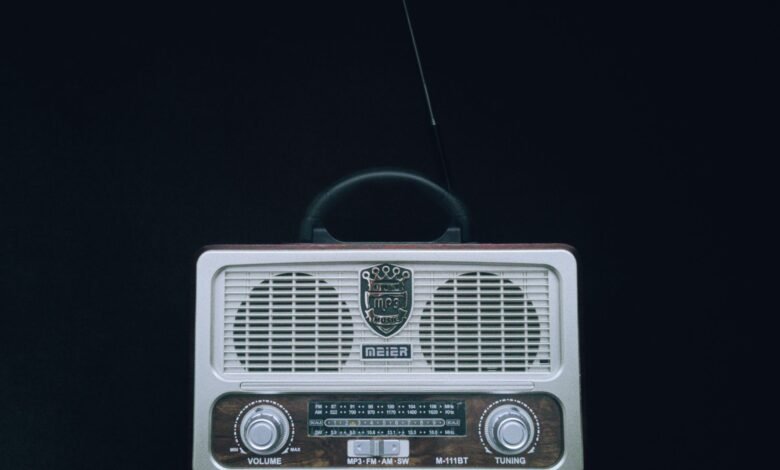
The BBC’s broadcasts would go out through radio transmission towers that are isolated from the internet and fitted with diesel tanks holding between 5,000 and 40,000 litres. FM radio is power hungry, so the generators would need that fuel to keep transmitting for three days.
Reports say the broadcasts would go out on the frequencies of Radio 2 and Radio 4, the stations most listeners already know. Other information would come through satellite vehicles sent to emergency centres around the UK, which would keep working for as long as their diesel lasts.
BBC teams would use satellite phones to stay in touch. If those stop working, pre-agreed protocols and meet-up points take over. The original planning assumption was five to seven days without power. The latest advice from NESO, the National Energy System Operator, is that power would probably be restored in two to three days.
The 72-Hour Benchmark and the Wider Preparedness Push
At a recent summit on UK resilience, the discussion centred on one threshold: the country should be able to withstand a Black Sky event for a minimum of 72 hours. That same three-day figure runs through the rest of the government’s preparedness work.
The Be Ready campaign, launched by the Cabinet Office on 22 October 2026, asks households to be ready for three days of disruption. The old GOV.UK Prepare website now redirects to Be Ready, and the advice is framed around severe weather and everyday disruption rather than any single threat.
Behind the scenes, the government’s confidential blackout plan, Programme Yarrow, was launched in 2021 and covers outages of up to a week. It was put to the test in 2022. NESO’s Electricity System Restoration Standard, which it must meet from 31 December 2026, targets restoring 60 per cent of each region’s demand within 24 hours and all of Great Britain within five days.
The government is also spending £70 million developing high-altitude aircraft that could circle over the UK and provide at least a week of emergency mobile phone and internet connectivity in a crisis. The planning intensified after the blackout across Spain and Portugal in April 2025 showed how fast a modern grid failure spreads.
What Households Are Being Asked to Keep at Home
The Be Ready checklist asks for three days of bottled water at 3 litres per person per day for drinking, plus more for cooking and washing, and three days of non-perishable food that needs no fridge or cooking. A torch with spare batteries, blankets and warm clothing, a battery or wind-up FM radio, and a charged power bank complete the core list.
Cash in a mix of coins and notes, copies of important documents, a written list of phone numbers and medicines, a first aid kit and essential medication are also on the list. The campaign suggests building supplies gradually during normal shopping, not buying everything at once.
One piece of the Lancaster lesson is about to disappear. The UK’s copper-wire landline system, which kept working through the 2015 flood, will be switched off on 31 January 2027. Landline numbers will carry on, but the phone will plug into a broadband router, and a router needs mains power. In a long power cut, a digital landline only keeps working with battery back-up.
What the Black Sky Plan Does Not Mean
The plan is not a prediction. The Cabinet Office told the BBC that the UK has one of the most resilient electricity systems in the world, and that there has never been a complete outage in the grid’s 75-year history. Officials say there is no specific threat, and nothing in the BBC’s reporting suggests an attack or an outage is expected.
It is also not a secret the BBC was forced to reveal. The corporation reported its own plan, and the government published the Chief Medical Officers’ broadcast scripts in the interests of transparency almost a year ago. The three-day figure is a planning benchmark, not a forecast of how long the lights would stay out.
The honest reading is narrower than the weekend’s louder claims. Britain has a plan for the worst week it can imagine, built around the oldest broadcast technology it still has. The advice to households is the same advice that applies to any power cut: a radio, a torch, water, food and cash, kept ready before they are needed.
Frequently Asked Questions
What is a Black Sky event?
It is the civil contingency name for a prolonged, wide-area power outage that also disrupts water, shops, cash machines and communications. The term is informal; the National Risk Register calls the scenario a national power outage and rates its likelihood as low.
Is a nationwide blackout expected in the UK?
No. The government says there is no specific threat to the grid, and Britain has never had a complete nationwide outage in the grid’s 75-year history. The Black Sky plan is contingency planning, not a warning.
Why would the BBC fall back on FM radio?
FM radio works almost everywhere and needs no mains power, mobile signal or internet connection at the listener’s end. A battery or wind-up radio can pick up a broadcast during a blackout, which is why the emergency studio would transmit on FM.
How long could the BBC keep broadcasting?
About 100 staff would run the emergency studio with fuel, water and food for at least three days without resupply. Transmitter masts have diesel tanks of 5,000 to 40,000 litres. NESO’s latest advice is that power would probably be restored in two to three days.
What should households keep at home?
The Be Ready checklist asks for three days of supplies: 3 litres of drinking water per person per day, non-perishable food, a torch, a battery or wind-up FM radio, a charged power bank, cash, copies of documents and essential medication.
Claims That Need Correcting
Claim: The government is warning that a blackout is imminent.
The Be Ready campaign, launched on 22 October 2026, frames its advice around severe weather and everyday disruption. It does not use the word stockpile, and the government has not warned of a specific threat to the grid.
Claim: A Black Sky event would mean weeks without power.
NESO’s latest advice is that power would probably be restored in two to three days. Its restoration standard requires 60 per cent of each region’s demand back within 24 hours and all of Great Britain within five days.
Claim: The BBC’s emergency plan was kept secret.
The BBC reported its own plan on 7 November 2026, and the Chief Medical Officers’ broadcast scripts were published on GOV.UK in December 2025. The studio’s staffing and supply figures come from the BBC’s own reporting, reconstructed from internal briefings.