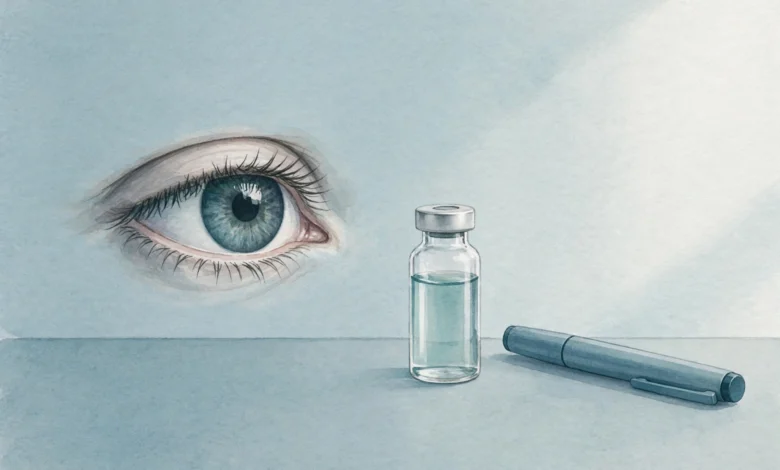
The United States Food and Drug Administration has ordered makers of Ozempic, Wegovy, Mounjaro and Zepbound to warn patients that the weight-loss and diabetes drugs carry a rare risk of a serious eye condition that can cause permanent vision loss. The agency announced the class-wide labelling change on Monday 9 November 2026, and it applies to every GLP-1 drug sold in the United States.
The condition is non-arteritic anterior ischemic optic neuropathy, known as NAION. It strikes when blood flow to the front of the optic nerve drops, and the FDA says it can cause sudden, painless loss of vision in one eye. Patients should not stop their medication on their own, the agency said, but anyone who notices the symptoms should seek medical help at once.
Ozempic blindness warning — the key facts at a glance
| Fact | Detail |
|---|---|
| Announced | Monday 9 November 2026 |
| Regulator | US Food and Drug Administration (FDA) |
| Action | Class-wide warning label for NAION on all GLP-1 receptor agonists |
| Condition | Non-arteritic anterior ischemic optic neuropathy (NAION) |
| Drugs covered | About a dozen products, including Ozempic, Wegovy, Mounjaro and Zepbound |
| Trial evidence | 126 randomised trials, 134,253 patients; 15 probable NAION cases — 10 on a GLP-1, 5 on placebo |
| Reported rate | 6.4 NAION cases per 100,000 person-years on a GLP-1, against 3.8 in comparison groups |
| Recall? | No — this is a labelling change, not a recall or a withdrawal |
| UK position | NAION warnings already appear on UK and European semaglutide labels since June 2025 |
What NAION does to sight, and why the FDA acted now
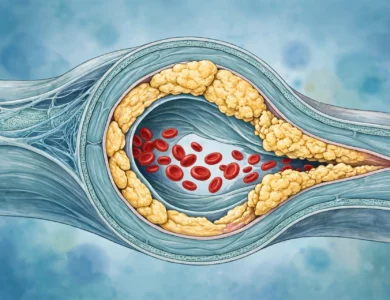
NAION happens when the blood supply to the front part of the optic nerve, the optic disc, is reduced. The FDA describes it as a rare condition that can result in acute, painless, decreased vision in one eye, including permanent vision loss. The agency said the underlying cause is not completely understood.
The symptoms the FDA lists are sudden, painless vision loss in one eye that people may notice when they wake up, along with blind spots, tunnel vision, distorted colours and hazy or blurry patches. Damage from NAION is usually not reversible, according to Dr Joseph Rizzo, a neuro-ophthalmologist who co-authored the 2024 paper that first tied the condition to semaglutide. He told CBS News that vision loss tends to be irreversible and can worsen even after a patient stops the drug.
The FDA review began after a July 2024 study in JAMA Ophthalmology examined the risk of NAION in patients prescribed semaglutide. The agency said it identified several limitations in that study but decided the potential risk needed a closer look. It then pooled clinical trial data, animal studies, observational research, adverse event reports and its own real-world evidence study before reaching its decision.
That caution matters for readers. The FDA did not determine that GLP-1 drugs cause NAION. It concluded there was enough evidence from several sources that the medicines may carry a rare increased risk, even though how that risk arises has not been identified. The distinction between a possible association and a proven cause runs through everything that follows in this story, and it is the reason the warning uses the language of potential risk rather than certainty.
Which GLP-1 drugs carry the new warning
The order covers all approved medicines with GLP-1 receptor agonist activity. NAION cases have been reported for every GLP-1 product currently on the market, the FDA said. The drugs named in the agency’s communication include the biggest sellers in the class, and the full list spans diabetes and weight-management products alike.
| Medicine | Active ingredient | Main use |
|---|---|---|
| Ozempic, Wegovy, Rybelsus | Semaglutide | Type 2 diabetes; weight management (Wegovy) |
| Mounjaro, Zepbound | Tirzepatide | Type 2 diabetes; weight management (Zepbound) |
| Victoza, Saxenda | Liraglutide | Type 2 diabetes; weight management (Saxenda) |
| Trulicity | Dulaglutide | Type 2 diabetes |
| Xultophy, Soliqua | Insulin/GLP-1 combinations | Type 2 diabetes |
| Foundayo | Orforglipron | Approved in 2026 |
Makers of one dozen GLP-1 drugs approved since 2005 must add language to the warnings and precautions section of each medicine’s labelling. The requirement applies to injectable and pill-based products alike. For patients, the practical point is simple: the warning is not limited to one brand or one manufacturer, so switching between GLP-1 products does not avoid it.
The scale of the class explains why the decision has drawn so much attention. GLP-1 drugs have become some of the most prescribed medicines in the world, used by millions of people for type 2 diabetes and for weight management. A class-wide label change therefore reaches a very large patient population, even though the risk it describes remains rare in absolute terms.
The numbers behind the decision
The FDA’s pooled analysis covered 126 randomised controlled trials involving 134,253 participants. Reviewers identified 15 probable NAION events: 10 among patients taking GLP-1 drugs and five among patients on a placebo. The reported rates were 6.4 events per 100,000 person-years in GLP-1 recipients and 3.8 in comparison groups.
Those figures need careful reading. Fifteen events across more than 134,000 trial participants is a small number, and the gap between the two groups is narrow. The FDA also analysed health records from patients with type 2 diabetes and found mixed results: compared with some diabetes medications, GLP-1 users faced a higher risk of NAION, while other comparisons showed no clear difference. The agency’s judgment was that, taken together, the trial data, observational studies and post-marketing reports pointed to a possible association strong enough to warn patients about.
European regulators reached a similar conclusion earlier. In June 2025, the European Medicines Agency’s safety committee said NAION was a very rare side effect of semaglutide medicines, and that it may affect up to 1 in 10,000 people taking semaglutide for at least one year. Warnings to that effect were added to European Wegovy and Ozempic labels in June 2025 and are already present on major GLP-1 medications in the United Kingdom, the European Union, Denmark and Australia.
Risk factors for NAION listed by the FDA include smoking, diabetes, high blood pressure, sleep apnoea, anaemia and kidney disease. Several of those overlap with the conditions GLP-1 drugs are prescribed to treat, which is one reason researchers have found it hard to separate the drug’s effect from the patient’s underlying health. That overlap does not cancel the warning. It explains why the evidence has taken years to assemble and why regulators describe the risk as potential rather than proven.
What the drug makers say, and what patients should do
Novo Nordisk, which makes Ozempic and Wegovy, told Reuters that it continues to believe the data do not establish a cause-and-effect relationship between its medicines and NAION. Eli Lilly, maker of Mounjaro and Zepbound, has likewise denied any significant link between its drugs and the condition. Both companies are required to add the new warning language regardless of their position on causation.
The FDA communication tells patients to report symptoms such as sudden, painless vision loss in one eye, blurred or missing portions of vision, colour distortion and reduced central sharpness to their doctor right away. It also tells doctors to send patients with vision-related symptoms to an eye specialist and to advise them on next steps. Sudden loss of vision requires emergency assessment, even without pain.
The warning is a labelling action, not a recall and not a general instruction for everyone taking these medicines to stop treatment. That distinction has been stressed in the FDA’s own communication and in reporting of it. Several recent studies have found a possible link between GLP-1 drugs and NAION, and multiple lawsuits filed in recent years have accused manufacturers of withholding information about this risk from consumers. Those lawsuits remain separate from the regulatory decision, and the courts have not ruled on them.
For readers in the UK, the immediate picture is unchanged in one respect and different in another. NAION warnings have already been on UK semaglutide labels since the European decision in June 2025, so British patients may already have seen the risk described in their medicine’s leaflet. What the FDA action changes is the position in the United States, where no vision-related warning had appeared on GLP-1 labels until now, despite several updates to Ozempic labels in recent years for other side effects such as intestinal obstruction. The episode also shows how drug safety monitoring works in practice: a signal spotted in one study in 2024, examined by European regulators in 2025, and now acted on by the FDA in 2026.
Health reporting on widely used medicines carries its own responsibility, and this story is a case in point. The same care that separates a verified diagnosis from a rumour applies here: search demand is not evidence, and a warning about a possible risk is not proof that the risk will affect any individual patient. Readers who take GLP-1 medicines and notice any change in their vision should speak to their clinician promptly rather than drawing conclusions from headlines alone — and the same verification discipline that underpins our reporting on Mary Nightingale’s health rumours applies to drug safety stories too.
Frequently asked questions
What is the Ozempic blindness warning?
The FDA announced on Monday 9 November 2026 that makers of all GLP-1 drugs, including Ozempic, Wegovy, Mounjaro and Zepbound, must add a warning about NAION, a rare eye condition that can cause sudden, painless vision loss in one eye, sometimes permanently. The warning goes in the warnings and precautions section of each drug’s label.
Does Ozempic cause blindness?
That has not been established. The FDA found signals suggesting GLP-1 drugs may increase the risk of NAION, but it did not determine that the drugs cause the condition. Its pooled trial analysis found 15 probable NAION cases among 134,253 participants — 10 on a GLP-1 and five on placebo — a rate of 6.4 per 100,000 person-years against 3.8 in comparison groups.
Which drugs are covered by the FDA warning?
All approved GLP-1 receptor agonists, about a dozen products. They include Ozempic, Wegovy and Rybelsus (semaglutide), Mounjaro and Zepbound (tirzepatide), Victoza and Saxenda (liraglutide), Trulicity (dulaglutide), the combination products Xultophy and Soliqua, and Foundayo (orforglipron).
What are the symptoms of NAION to watch for?
Sudden, painless vision loss in one eye, often noticed on waking; blind spots or tunnel vision; distorted colours; and reduced central sharpness, such as blurry or hazy spots. The FDA says patients should report these symptoms to their doctor right away and be referred to an eye specialist.
Should I stop taking Ozempic or Wegovy because of this warning?
No — not on the basis of this announcement alone. The FDA action is a labelling change, not a recall, and not an instruction to stop treatment. Patients should speak to their clinician before changing any prescribed medicine, and seek urgent care if they develop sudden vision changes.
Is this warning already in place in the UK?
Yes, in effect. The European Medicines Agency’s safety committee concluded in June 2025 that NAION was a very rare side effect of semaglutide, possibly affecting up to 1 in 10,000 people taking it for at least a year, and warnings were added to European and UK semaglutide labels at that time. The FDA’s November 2026 action brings US labelling into line.
This article reports on a regulatory announcement and is not medical advice. It is based on the FDA drug safety communication as reported by USA Today, CBS News, Reuters and other outlets on 9–10 November 2026. Anyone taking a GLP-1 medicine who notices a change in vision should contact their clinician or seek urgent care. The Ebola outbreak 2026 remains the largest ongoing health emergency covered in our Health section.