
COP31 Opens in Antalya: Leaders Told to ‘Get Serious’ as Finance Row Delays the Start

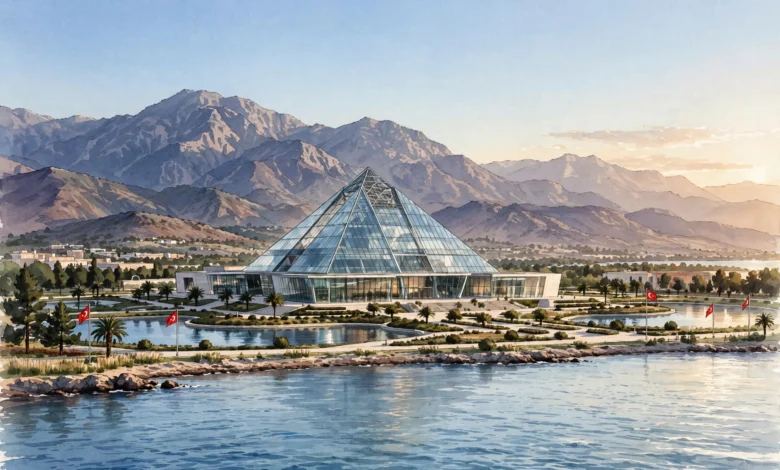
The COP31 climate talks opened in Antalya, Turkey, on Monday 9 November 2026 with an early fight over money, a ceremony that started an hour and a half late, and a blunt warning from the head of the United Nations. Delegations from nearly 200 countries have gathered at the Antalya Expo Center for the 31st UN Climate Change Conference, which runs until Friday 20 November.
UN Secretary-General António Guterres told world leaders to “get serious” about tackling the crisis after a year of devastating weather extremes. “We have entered a new age of climate extremes,” he said in a statement, urging leaders to cut emissions faster, speed up a just transition away from fossil fuels, and deliver the finance and protection that vulnerable countries need.
COP31 at a Glance — Dates, Venue and Who Is in Charge
| Detail | What is confirmed |
| Event | COP31, the 31st UN Climate Change Conference |
| Dates | Monday 9 November to Friday 20 November 2026 |
| Venue | Antalya Expo Center, Antalya, Turkey |
| Presidency | Turkey, held by Environment Minister Murat Kurum |
| Negotiations led by | Australia, through Climate Change and Energy Minister Chris Bowen |
| World Leaders’ Summit | Wednesday 11 and Thursday 12 November 2026 |
| Delegations | Nearly 200 countries; more than 90 heads of state and government expected |
| Participants | About 100,000 people expected across the two weeks |
| Opening ceremony | Started an hour and a half late, after late-night talks on the finance agenda |
| Stated focus | Implementation of existing pledges, not new headline promises |
A Delayed Start Over the Money Question
The opening ceremony began an hour and a half late without explanation, after negotiators were locked in talks late on Sunday over demands by developing nations to put climate finance items on the official agenda. AFP reported that the dispute set the tone for the first day, with the money question unresolved before a single formal session had begun.
The delay matters because finance is the fault line running through the whole summit. Developing countries want firmer commitments on the funding needed to adapt to rising temperatures and to recover from disasters, while richer nations face tight budgets and competing demands at home. That argument has shadowed every recent COP, and Antalya opened with it still unsettled.
UN climate chief Simon Stiell also addressed the opening session, warning delegates that global action was nowhere near fast or fair enough. The two sides did, however, put on a show of unity at the ceremony, with COP31 President Murat Kurum and Australia’s Chris Bowen raising their clasped hands above their heads to applause.
The Unusual Dual Presidency Behind the Summit
COP31 is being run under an arrangement never tried before at a climate summit. Turkey holds the formal presidency and runs the venue, logistics and the Action Agenda of voluntary pledges, while Australia has authority over the formal negotiations, the drafting of texts and the steering of decisions.
The split followed a dispute over who would host this year’s talks, with both Turkey and Australia bidding for the conference. The compromise was agreed at COP30 in Belém, and it gives ocean and climate-vulnerability issues particular prominence because Australia is leading the talks in close cooperation with Pacific Island countries.
Turkey’s presidency has centred the summit on a goal to raise electricity’s share of global final energy use from about 23% today to 35% by 2035, and it is asking nations to sign a pledge supporting that target. Critics have pointed out that the pledge does not require the extra electricity to come from low-carbon sources, a gap that campaigners say could let fossil-fuel power count toward the goal.
The Year That Forced the Summit’s Hand
The talks opened after a year that gave negotiators little room for complacency. Europe endured punishing heatwaves, Indonesia suffered major wildfires, and Nepal was hit by catastrophic floods, with an exceptionally strong El Niño fuelling more climate chaos. A record-early polar vortex disruption over the Arctic added to a sense that the weather system itself is shifting.
The science presented to delegates is stark. The UN Environment Programme’s 2026 Emissions Gap Report estimates that even if every national pledge were fully implemented, the world would still warm by roughly 2.6°C this century. The UN’s synthesis of national climate plans, covering 154 parties, shows current commitments falling well short of what is needed to hold warming to 1.5°C.
At home in Britain, the costs are already visible in a different way. The National Audit Office reported on 2 November that extreme weather is already cutting into Britain’s public services, with flooding the most common hazard and 89% of prisons disclosed as being at high flood risk.
The Missing Giant and the Leaders Still to Arrive
COP31 is the first climate summit since the United States left the Paris Agreement earlier this year. President Donald Trump has not sent officials to Antalya, and the world’s largest historical emitter is absent from the finance conversations for the second year running. A US congressional delegation is, however, expected to attend, and Democrats arrive buoyed by last week’s midterm election win.
The leaders’ summit on 11 and 12 November is expected to open with speeches by Turkish President Recep Tayyip Erdoğan and UN Secretary-General António Guterres. Brazilian President Luiz Inácio Lula da Silva, fresh from a re-election win, is due to arrive later in the week, and British Prime Minister Andy Burnham is among the leaders expected to attend.
India arrives with a central seat at the table, co-chairing the mitigation consultations with Germany. Its third national climate plan, covering 2031 to 2035, was approved and submitted in April, and its delegation set out its position at the pre-COP meeting in Fiji in early October.
What the Next Twelve Days Must Deliver
Organisers have billed COP31 as an “implementation COP”, with the slogan “COP of the Future – COP of Implementation”. The aim is to turn previously announced national climate plans into action rather than negotiating new headline pledges, and the summit’s Action Agenda lists ten priority themes, from food security and oceans to clean energy, resilient cities and green industrialisation.
Reuters reported that the backdrop is unusually hostile to that ambition. The US war with Iran has nations scrambling for oil cargoes and firing up coal plants, the rapid rollout of artificial intelligence is pumping up power demand, and the world’s top historical emitter is shunning climate cooperation. Turkey will also ask governments and businesses to sign a pledge on developing AI sustainably.
A forum focused on agriculture and food system resilience is scheduled for Tuesday 10 November, putting food security on the agenda the day after the opening. The real test, though, comes in the second week, when ministers take over from negotiators and must decide whether the finance, mitigation and adaptation texts add up to anything more than another round of promises.
Frequently Asked Questions
What is COP31?
COP31 is the 31st UN Climate Change Conference, the annual meeting where nearly 200 countries negotiate climate rules, share solutions and assess collective progress under the Paris Agreement. The first COP was held in Berlin in 1995.
Where and when is COP31 being held?
COP31 runs from Monday 9 November to Friday 20 November 2026 at the Antalya Expo Center in Antalya, Turkey, on the Mediterranean coast.
Why are two countries running COP31?
Turkey holds the formal presidency and Australia leads the negotiations, after both countries bid to host the 2026 conference. The compromise was agreed at COP30 in Belém, with Turkey responsible for the venue and Action Agenda and Australia managing the formal negotiating track.
Why did the opening ceremony start late?
The ceremony began an hour and a half late after negotiators spent Sunday night arguing over demands by developing nations to put climate finance items on the official agenda. No official explanation was given for the delay.
Is the United States attending COP31?
No US officials have been sent by the Trump administration, and this is the first COP since the United States left the Paris Agreement earlier this year. A US congressional delegation is expected to attend.
What is the summit actually trying to achieve?
The presidency calls it an implementation COP: fewer new headline promises and more verified delivery on existing pledges, including finance, emissions cuts, adaptation and a faster energy shift. Turkey is also pushing a pledge to lift electricity’s share of global energy use to 35% by 2035.
Myth check: is COP31 just another round of empty promises?
That is the criticism the presidency is trying to answer, and the honest test is delivery, not speeches. The UN’s own gap analysis says current pledges still point to about 2.6°C of warming, so the summit will be judged on whether finance flows, grid upgrades and verified emissions cuts follow — not on the pledges announced in Antalya.


2 Comments