Why 41 Poppies on the King’s Wreath? The George VI Link Behind the Remembrance Sunday Design

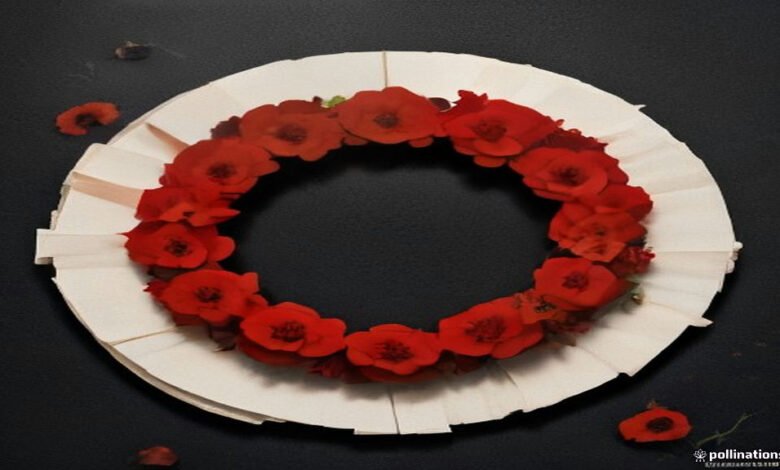
King Charles III laid a wreath of 41 paper poppy petals at the Cenotaph in Whitehall on Remembrance Sunday, 8 November 2026, after leading the nation in a two-minute silence — and the number sent thousands of people to Google asking why 41. The short version is that the count comes from history, not from a hidden code: the wreath closely copies one made for his grandfather, King George VI.
The King wore the uniform of a Marshal of the Royal Air Force, with a greatcoat, cap and sword, and saluted as he stepped back from the memorial. He laid the first wreath on behalf of the nation, and the Prince of Wales followed him, along with other senior royals, political leaders and Commonwealth representatives.
| Detail | What happened |
|---|---|
| Event | National Service of Remembrance, Remembrance Sunday |
| Date | Sunday 8 November 2026 |
| Location | The Cenotaph, Whitehall, London |
| First wreath | King Charles III, on behalf of the nation |
| Wreath design | 41 open-style paper poppy petals on black leaves |
| Ribbon and bow | Scarlet, purple and gold — the colours of the King’s racing silks |
| Design model | A wreath produced for King George VI |
| Silence | Two minutes from 11 a.m., ended by a gun salute |
| March-past | About 10,000 veterans through Whitehall |
| Political line-up | Prime Minister Andy Burnham at his first service in office; a record nine former prime ministers |
The Wreath in Detail: 41 Petals on Black Leaves
The wreath was made up of 41 open-style poppy petals mounted on an arrangement of black leaves. It was finished with a ribbon and bow in scarlet, purple and gold, the colours of the King’s racing silks. The design was described in the PA news agency’s report of the service as closely resembling one produced for King George VI, and Royal Central’s account of the ceremony gives the same description.
The King laid the wreath at the foot of the Cenotaph after the 11 a.m. silence, which was marked at its start and end by guns fired by the King’s Troop Royal Horse Artillery on Horse Guards Parade. Royal Marines buglers sounded the Last Post before the wreaths were laid.
A Design Borrowed From King George VI
The link to George VI is the whole of the verified explanation for the number. Charles’s wreath was not a new design invented for 2026. It deliberately echoed the wreath made for his grandfather, and the 41 petals are the petal count of that design.
That matters because it answers the question people actually typed into Google. The 41 is a feature of a historic wreath design being reproduced, rather than a number chosen for this year’s service. No report of the service suggested the count was picked to mark an anniversary, a regiment or a battle.
What the Number 41 Does — and Does Not — Mean
Here is the honest limit of what is known: no official published explanation of why the number is 41 has appeared from Buckingham Palace or in the official order of service reporting. The verified facts are the petal count, the black leaves, the ribbon colours and the George VI model.
That means any claim that 41 stands for a specific number of years, regiments or battles would be invented. None of the reporting of the 2026 service makes such a link, and this article does not make one either. The number is explained by the design it copies, and beyond that it is not publicly explained.
The Ceremony Around the Wreath: Silence, Last Post and the March-Past
The National Service of Remembrance followed the Festival of Remembrance at the Royal Albert Hall on the previous evening, 7 November, where the Royal Family joined veterans and bereaved families. On the Sunday itself, about 10,000 veterans took part in the march-past through Whitehall after the wreath-laying.
The political line-up was unusually complete. Prime Minister Andy Burnham attended his first Remembrance Sunday in office and laid a wreath alongside opposition leader Kemi Badenoch. A record nine former prime ministers were present: Keir Starmer, Rishi Sunak, Liz Truss, Boris Johnson, Theresa May, David Cameron, Gordon Brown, Tony Blair and John Major. Reform UK leader Nigel Farage also laid a wreath for the first time.
Poppies, the Cenotaph and Why Britain Remembers in November
Remembrance Sunday is held on the second Sunday of November each year, and it is distinct from Armistice Day, which always falls on 11 November. The date marks the armistice that took effect at 11 a.m. on 11 November 1918 and ended the fighting on the Western Front in the First World War.
The red poppy became the symbol of remembrance through “In Flanders Fields”, the poem written in 1915 by Canadian military doctor John McCrae about flowers growing among soldiers’ graves in Belgium and northern France. The Royal British Legion adopted the poppy as its symbol in 1921, and its annual appeal raises money for serving personnel, veterans and their families. This year the Legion also marked the 35th anniversary of the end of the 1990 to 1991 Gulf War.
The Cenotaph itself takes its name from the Greek for “empty tomb”. It holds no remains, which lets it stand for service personnel whose resting places are elsewhere or unknown. The national ceremony has been held there for more than a century.
The Three-Poppy Pins Worn by the Queen and the Princess of Wales
Queen Camilla and the Princess of Wales watched the service from a balcony above Whitehall, and both wore a pin of three poppies. The Princess of Wales’s pin is believed to represent her three great uncles, her great-grandmother’s three brothers, who died in action during the First World War.
The three poppies are also widely believed to represent the three branches of the UK Armed Forces: the British Army, the Royal Navy and the Royal Air Force. Buckingham Palace has never officially confirmed either explanation, so both remain reported belief rather than verified fact.
Frequently Asked Questions
Why does the King’s wreath have 41 poppies?
Because it copies a wreath made for King George VI, and 41 is the petal count of that design. No official explanation of the number itself has been published.
What colours were on the King’s wreath?
The ribbon and bow were scarlet, purple and gold, the colours of the King’s racing silks. The petals were red poppies on black leaves.
Who laid a wreath after the King?
The Prince of Wales laid the next wreath, followed by other senior royals, Prime Minister Andy Burnham, opposition leader Kemi Badenoch, other political leaders and Commonwealth representatives.
What is the difference between Remembrance Sunday and Armistice Day?
Remembrance Sunday is the second Sunday of November — 8 November in 2026 — while Armistice Day is always 11 November, the anniversary of the 1918 armistice.
Why is the poppy the symbol of remembrance?
John McCrae’s 1915 poem “In Flanders Fields” linked poppies with soldiers’ graves, and the Royal British Legion adopted the poppy as its remembrance symbol in 1921.